Skip to content
A marketing service connecting Vermont homeowners with licensed metal roofing contractors. Compass Camper LLC is not a licensed contractor and does not perform roofing work.
VT Metal Roofing

Snow Guards and Ice Dam Prevention in Vermont

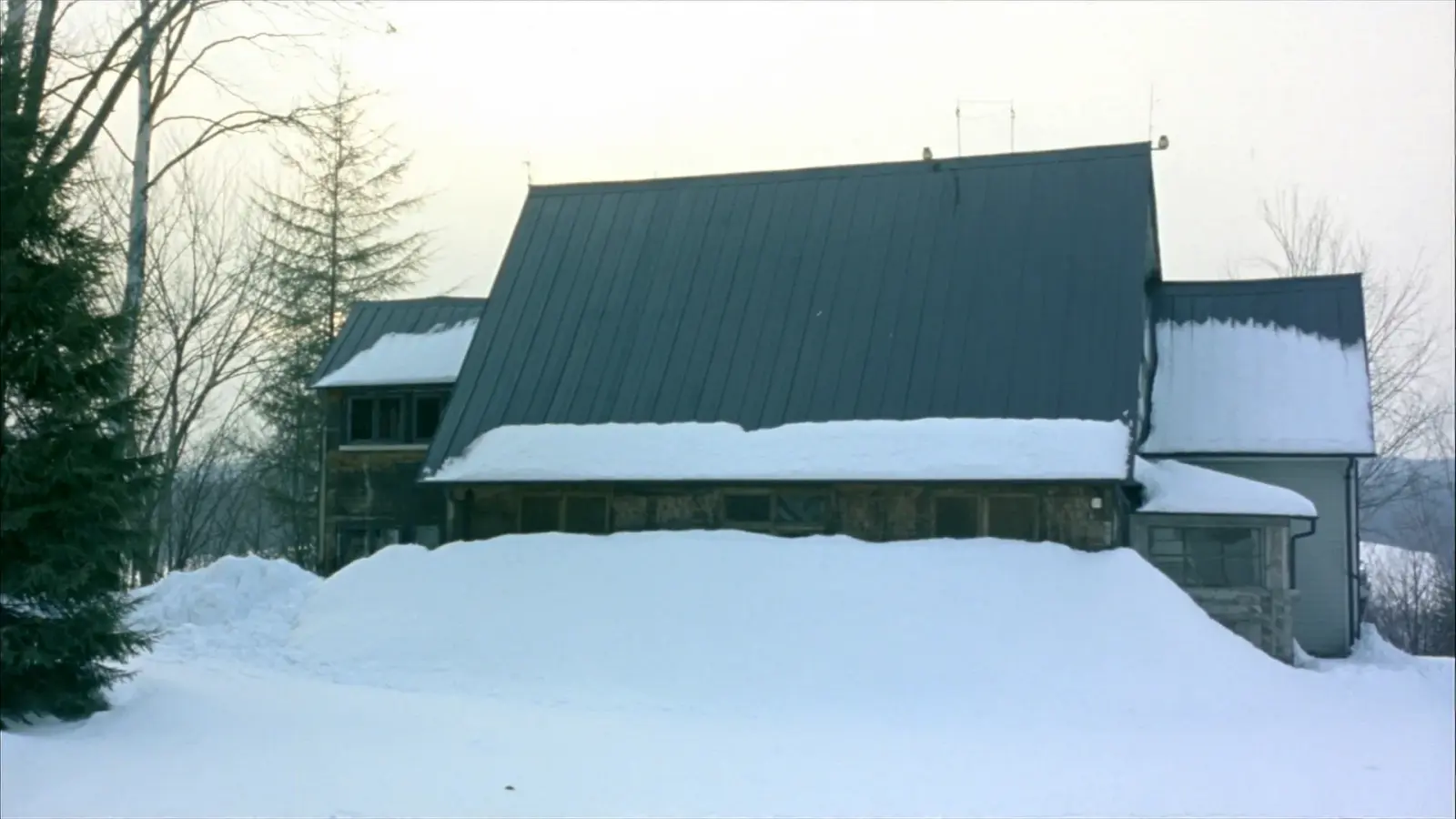
A Vermont standing seam roof sheds snow. That is the point of it, and also the hazard of it: an unplanned release can bury a doorway, tear off gutters, and flatten whatever is parked below. Snow retention turns that shedding into something controlled, and the same visit is the right time to fix the attic heat loss that builds ice dams. We connect Vermont homeowners with independent local contractors who engineer both.

The engineering, with sources

Snow retention on metal roofs is a load engineering problem. The Metal Construction Association technical bulletin calls for systems proven by load testing on the specific panel profile, sized to the anticipated snow load, built from non-corrosive materials, and mechanically attached. S-5! publishes the load-test data and calculators most Vermont installers use for clamp-to-seam systems. And snow guard layout guidance warns against guarding only the spots you walk: a partially restrained snow bank shears in unpredictable places, so rows get placed across the full plane per the calculation.
What a complete snow and ice package covers

Clamp-to-seam attachment

On standing seam, snow retention clamps to the seams with round-point setscrews that grip without piercing the panel, per S-5! engineering documentation. No holes, no voided panel warranty.

Engineered layout, not guesswork

The Metal Construction Association bulletin requires systems selected from load testing on the specific panel profile, sized to the roof’s snow load. Snow guard makers also caution that guarding only the doorway rarely works: partially restrained snow banks shear unpredictably.

Controlled shedding

The goal is not to trap snow forever. Retention lets snow leave the roof in a controlled way, by thaw and sublimation instead of a rooftop avalanche onto steps, gutters, vents, and vehicles.

Ice dams start in the attic

Efficiency Vermont traces ice dams to attic heat loss: warm air leaks melt roof snow, the meltwater refreezes at the cold eaves, and water backs up. Air sealing plus insulation is the durable fix; the roof surface is only half the story.

Ice dam physics: Efficiency Vermont on attic heat loss and its insulation buying guide.

What the contractor does, step by step

  1. 1

    Exposure assessment

    The contractor maps what sits below each roof plane: entries, walkways, decks, gutters, meters, heat pumps, and parking, plus drift patterns and valley discharge zones.

  2. 2

    Load calculation

    Using your town’s adopted ground snow load, the roof pitch, and the panel profile, the contractor sizes the system with manufacturer calculators backed by published load tests.

  3. 3

    System specification

    Bar-style fences, pad-style guards, or both, in rows placed per the engineering, with materials matched to the panel metal to avoid galvanic corrosion.

  4. 4

    Mechanical installation

    Clamps are torqued to specification on the seams. The MCA bulletin recommends mechanically attached systems over glued guards, which fail as adhesives age in freeze-thaw.

  5. 5

    Attic-side recommendations

    Where ice dams drove the call, the contractor documents attic air sealing, insulation, and ventilation gaps so the heat-loss cause gets fixed, not just the symptom.

What moves the price

Row count from the load calculation, roof length, bar system vs pad guards, panel profile, and access drive the cost of retention work, and attic air sealing scope drives the ice dam side. Sheffield Metals' technical article on snow guards explains why heavier snow loads mean more rows. Ask for the load calculation in the itemized quote. For the roof itself, see the Vermont metal roof cost guide.

Where this matters most

The higher your town's snow load bracket, the more retention rows the math calls for. Mountain towns like Stowe sit at the top of the state's brackets, the Northeast Kingdom adds the coldest winters in Vermont, and even valley towns like Burlington design for 40 psf. Our snow load guide lists every covered town's figure with sources.

How to Choose a Vermont Metal Roofing Contractor

Vermont does not issue a state roofing contractor license. What Vermont has instead is a residential contractor registration: under 26 V.S.A. Chapter 106, anyone contracting for residential construction over $10,000 in labor and materials must register with the Secretary of State, carry insurance, and use a written contract. So skip the license talk and run these real checks instead.

Vermont Secretary of State registration

Residential contractors taking projects over $10,000 in labor and materials must be registered with the Office of Professional Regulation. Look the business up before you sign.

Find a Professional lookup

Proof of insurance

Registered contractors must carry liability coverage of at least $1 million per occurrence. Ask for a current certificate of insurance and confirmation of workers compensation for the crew on your roof.

Registration requirements

Manufacturer training

Panel manufacturers run installer training and certification programs. Ask which system the contractor installs and what training backs it.

Example: Englert courses and certifications

A written, itemized estimate

Vermont law requires a written contract before work or a deposit on registered projects. A good estimate itemizes panels, gauge, finish, underlayment, flashing, and snow retention.

26 V.S.A. Chapter 106

Three snow-country questions to ask every bidder

  1. What ground snow load is my roof designed for, and where does that figure come from?
  2. How will you handle snow retention over doorways, walkways, and the gutter line?
  3. Are the panels and clips rated for thermal movement across Vermont temperature swings?

The full walkthrough lives in our guide: How to Choose a Vermont Metal Roofing Contractor.

Get a Snow Retention Quote

Whether it is guards for a new standing seam roof, a retrofit on an existing one, or recurring ice dams that need a real fix, one form gets you a free written quote from a local contractor.

Request a Free Snow Guard Quote

When you submit this form, your information is shared with a licensed metal roofing contractor for the purpose of scheduling your free quote.

Snow Guard and Ice Dam Questions

Does a standing seam roof in Vermont need snow guards?

Usually over anything you care about. Standing seam sheds snow by design, and a winter’s accumulation can release at once. Snow retention over entries, walkways, gutters, and mechanicals lets snow leave gradually instead. The layout should come from engineering calculations, not a guess at the lumber yard.

Are glue-on snow guards good enough?

The Metal Construction Association’s snow retention bulletin recommends mechanically attached, load-tested systems and advises against relying on adhesive-only attachment, which weakens as it ages through freeze-thaw cycles. On standing seam, non-penetrating seam clamps are the standard.

Will snow guards stop my ice dams?

No. Ice dams are a heat-loss problem, not a snow-retention problem. Efficiency Vermont explains that warm air leaking into the attic melts roof snow which refreezes at the cold eaves. Snow guards manage sliding snow; air sealing and insulation address the ice dam cause. A good contractor addresses both.

Can snow retention be added to an existing metal roof?

Yes. Clamp-on systems retrofit to most standing seam profiles without penetrating the panels. For exposed-fastener roofs the options differ, and the contractor will match the attachment to the panel and its warranty terms.

How is the snow load for my roof determined?

Vermont adopts ground snow loads by town, published on the Division of Fire Safety snow load map in brackets from 40 to 70 psf, and code requires designing for at least a 40 psf total roof snow load. The contractor uses that figure, your pitch, and the panel profile in the manufacturer’s calculator to size the system.

Get a Free Metal Roofing Quote

Tell us about your roof and get a free, no-obligation quote from an independent local standing seam contractor who works in your part of Vermont.

Monday to Friday, 8 AM to 5 PM Eastern

Call Now Free Quote