Standing Seam Metal Roof Installation Contractors and Companies in Vermont
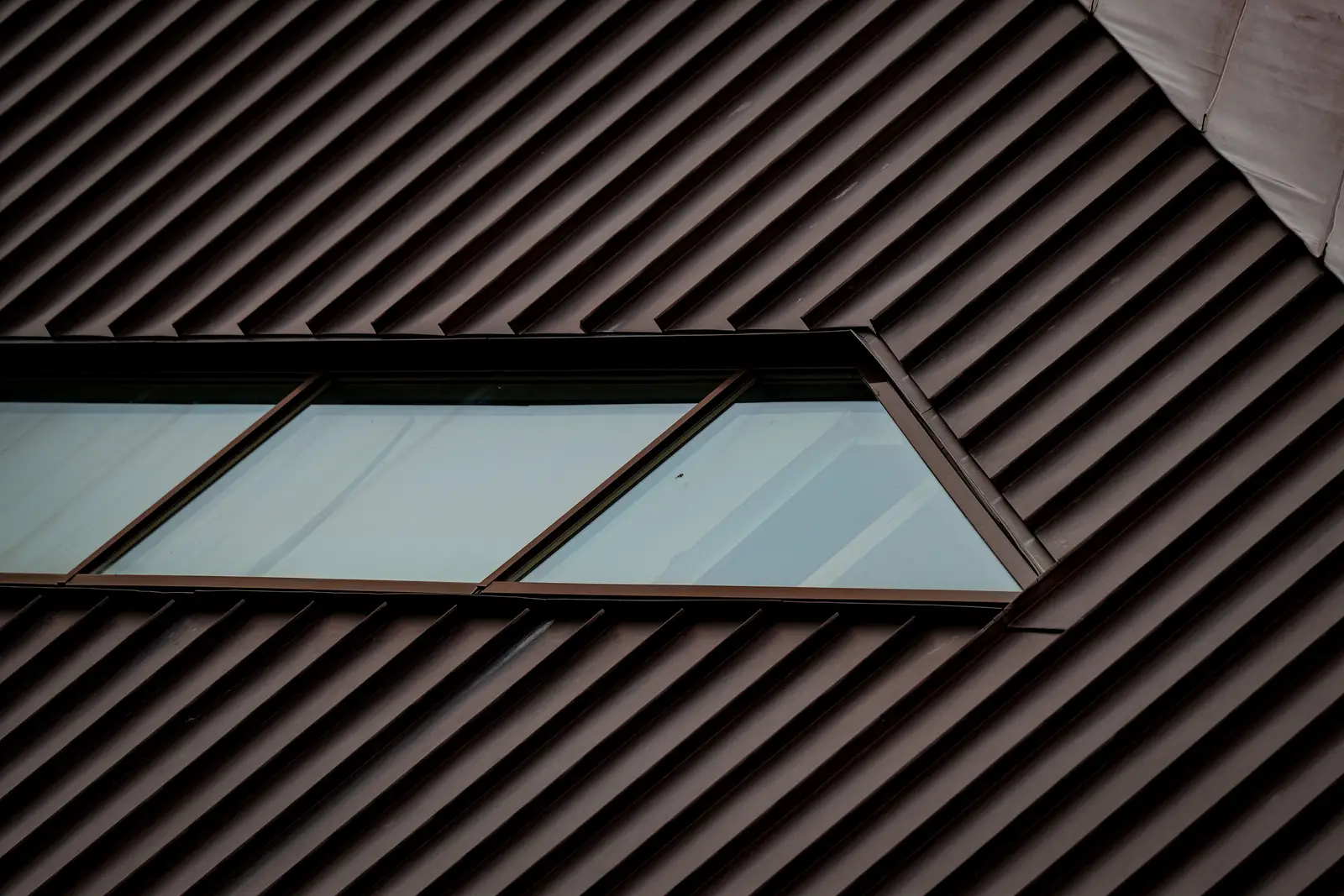
Standing seam is the metal roof Vermont weather keeps proving. Vertical panels run from ridge to eave, joined at raised seams, fastened with concealed clips, with no exposed screws in the panel field. Snow slides instead of soaking, and the roof rides out the freeze-thaw swings that chew through asphalt. Quotes on standing seam installation are free and come in writing, anywhere in Vermont.
The solar-ready roof
Standing seam has become the preferred deck for rooftop solar in snow country for one structural reason: panels clamp to the raised seams instead of bolting through the roof. Clamp systems such as S-5! attach with round-point setscrews that grip the seam without piercing it, so the roof gains an array with zero new penetrations and the panel warranty intact; the manufacturer also markets rail-less mounting as a significant install saving, a claim worth confirming in your solar bid. If solar is anywhere in your ten-year plan, choosing standing seam now keeps that door open without a reroof later.
Why Vermont keeps choosing this roof
Vermont's adopted ground snow loads run from 40 to 70 pounds per square foot across its towns per the Division of Fire Safety snow load map, and the state's building code amendments require every roof to be designed for a total snow load of at least 40 psf (Vermont amendments to IBC Chapter 16). A smooth standing seam surface sheds that snow, and the Metal Construction Association publishes cold-climate design guidance for exactly this roof type: managing sliding snow, ice at eaves, and drainage so winter leaves the structure alone.
The concealed-fastener design also removes the weakest link of cheaper metal roofs. Exposed-fastener panels put thousands of gasketed screws through the weathering surface, and those gaskets age in UV and freeze-thaw cycles. Sheffield Metals' technical comparison walks through why concealed systems carry the longer warranties.
The four design choices that define your roof
Seam type
Mechanically seamed panels are crimped shut with a seaming tool and are the standard for low pitches and severe exposure. Snap-lock panels join by hand and suit steeper Vermont pitches at a lower labor cost. The contractor matches seam type to your pitch and exposure.
Clip system
Standing seam panels hang on concealed clips so the metal can expand and contract. Sheffield Metals recommends floating (expansion) clips for long mechanically seamed runs and climates with extreme temperature swings, which describes most of Vermont.
Panel gauge
24 gauge is the standing seam standard: roughly 28 percent thicker than 26 gauge, stiffer across wide panels, and less prone to oil canning. 26 gauge typically runs 8 to 15 percent less per Sheffield Metals. Vermont snow country favors 24.
Finish
PVDF (Kynar 500) paint systems hold color and resist chalking far longer than economy finishes, which matters on a roof planned for decades of Vermont sun, snow, and freeze-thaw cycling. Ask which paint system is on the panel you are buying.
Technical references: Sheffield Metals on clip systems, 24 vs 26 gauge, and McElroy Metal on Kynar 500 PVDF finishes.
What the contractor does, step by step
- 1
Site visit and measurement
The contractor walks the roof, measures every plane, checks the decking from the attic where possible, and notes valleys, dormers, chimneys, and vent penetrations.
- 2
System design
Panel profile, seam type, gauge, finish, underlayment, and a snow retention layout are specified against your town’s ground snow load from the state snow load map.
- 3
Deck preparation
Old roofing comes off (or an approved overlay is documented), damaged decking is replaced, and a high-temperature ice and water barrier goes down at eaves and valleys.
- 4
Panel installation
Panels are cut to length, often roll-formed on site, and attached with concealed clips and fasteners. Nothing penetrates the weathering surface of the panel field.
- 5
Trim, flashing, and walkthrough
Ridge, hip, eave, and penetration flashings are formed and installed, snow guards go on per the engineered layout, and the contractor walks the finished roof with you.
What moves the price
Roof area and complexity (valleys, dormers, chimneys), seam type, gauge, finish, tear-off scope, and snow retention all move the number. Published national surveys put standing seam at roughly $9 to $16 per square foot installed (HomeGuide), with Angi showing typical projects of $9,400 to $32,600. Our Vermont metal roof cost guide breaks down every variable with sources. The contractor's written, itemized quote is the real number for your roof.
Standing seam installation across Vermont
This page covers standing seam work statewide, including Chittenden County, Washington County, and towns from Burlington to Stowe. See every service area.